
Creating a Gallery Wall That Doesn't Damage Walls
Learn the three best damage-free hanging methods and how to arrange frames without leaving marks.
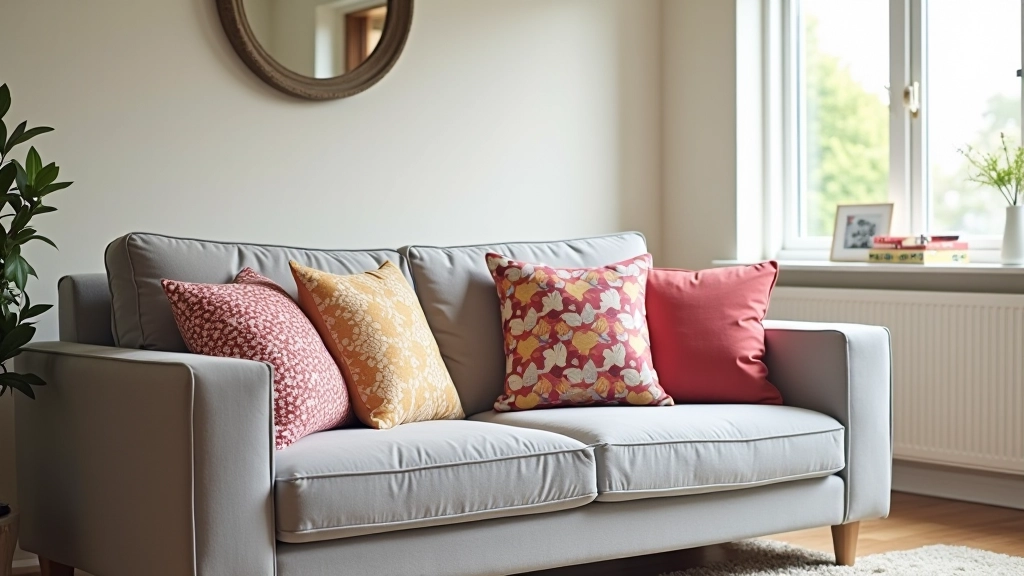
Five budget-friendly ways to refresh old cushions and pillows — from fabric dyes to slipcovers you can make yourself.
Your cushions don't need replacing — they need refreshing. Whether they're faded from sunlight, stained from spills, or just tired-looking, there's a budget solution waiting. We're talking single-digit pound solutions here, not hundreds in new furniture.
The best part? Most of these methods take a weekend or less. No sewing skills required for at least half of them. You'll be amazed at what a little dye, fabric paint, or a simple slipcover can do.
Fabric dye is your secret weapon for tired-looking cushions. A pack of Dylon dye costs around £3-5 and can revive an entire set. The process is straightforward: boil water, add dye, submerge your cushion cover (remove the insert first), stir occasionally for about 45 minutes, and rinse until the water runs clear.
This method works brilliantly if your cushions are all one colour that's faded. You're not trying to create patterns — you're bringing back the richness. Darker shades tend to cover better than lighter ones, so if your cushion's already cream-coloured, you can't dye it a pale pink. But you can absolutely turn it forest green, navy, or charcoal.
Pro tip: Test on an old towel first. Different fabrics take dye differently. Cotton and linen are reliable. Polyester blends? Less predictable. Always check the fabric content before you commit.
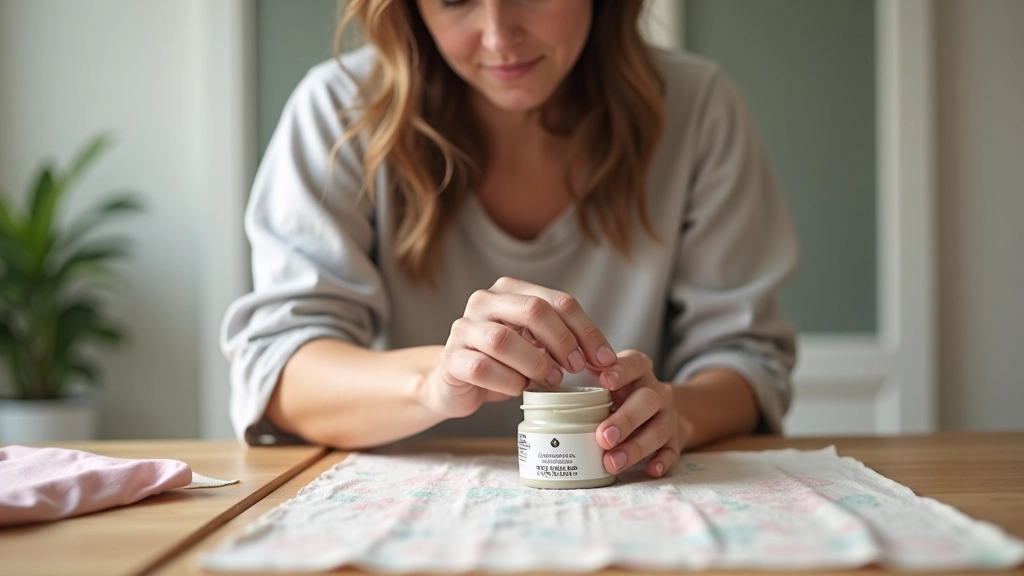
Want patterns? Fabric paint is your friend. A bottle costs £2-4, and you can create anything from geometric shapes to stripes to abstract splashes. The key is using proper fabric paint — not acrylic paint, which'll crack and wash out.
You'll need brushes (cheap ones work fine), a stencil if you want clean edges, or just freehand it if you're feeling brave. Most fabric paint dries in 24 hours and becomes washable after heat-setting with an iron. A single bottle will cover roughly two large cushion covers with a decent pattern.
The brilliant thing about paint is control. Dye affects the whole fabric evenly, but paint lets you be selective. You can refresh just the front of a cushion, add a stripe along the edge, or create a focal point pattern in the centre. Light coloured cushions work best — dark paint shows better on pale backgrounds.
Here's where things get really budget-friendly. You don't need a sewing machine. Grab a metre of fabric (£4-8 depending on quality), wrap it around your cushion, and secure it with fabric glue or even safety pins on the underside. It's that simple.
Fabric glue takes about 24 hours to fully set but holds through washing on a gentle cycle. For a square 45cm cushion, you'll need roughly 1.5 metres of fabric if you're folding the edges underneath. Rectangle cushions are even easier — less fabric waste.
If you're worried about the glue not holding, use iron-on fabric tape instead. It's £3-5 per roll and creates a permanent bond when heated with an iron.
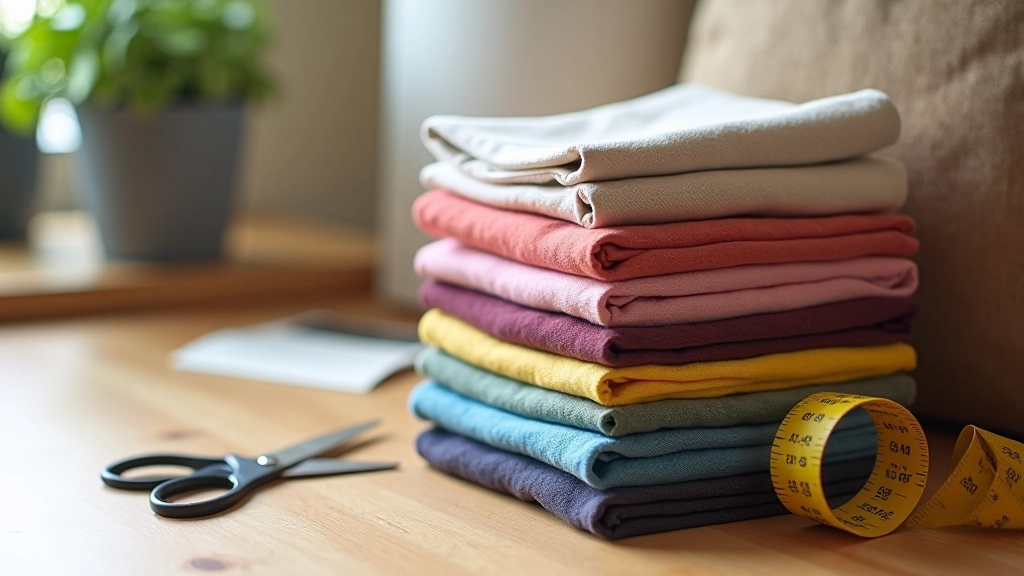
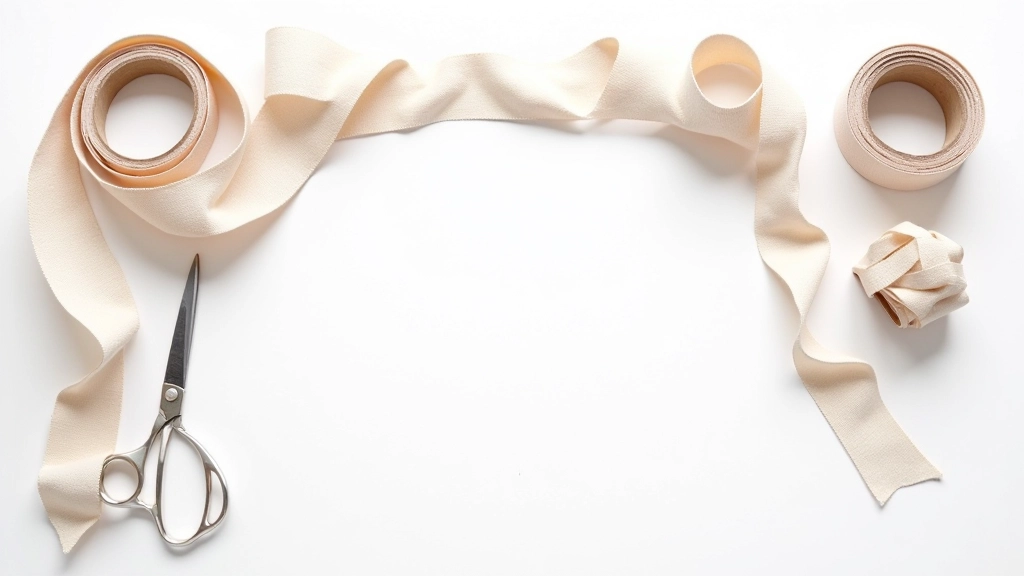
Sometimes you don't want to change the whole cushion — just elevate it. Decorative trim, piping, or fringe (£1-3 per metre) transforms a plain cushion into something special. Glue it around the edges with fabric glue and you're done. Seriously, that's it.
You can mix and match. A neutral cushion gets a pop of colour from contrast piping. A patterned cushion gets grounded by a solid trim that pulls out one of the colours in the pattern. Fringe works brilliantly on bohemian-style cushions — add it just to the bottom edge for movement without overwhelming the piece.
The edges of cushions take the most wear anyway, so adding trim serves a practical purpose too. It protects the seams and extends the life of your cushion cover. You're getting aesthetics and durability in one £2 investment.
Got a stain you can't shift? Make it part of the design. Cut a square or circle around the stain, then glue a contrasting fabric patch over it. Suddenly your problem spot becomes an intentional design feature.
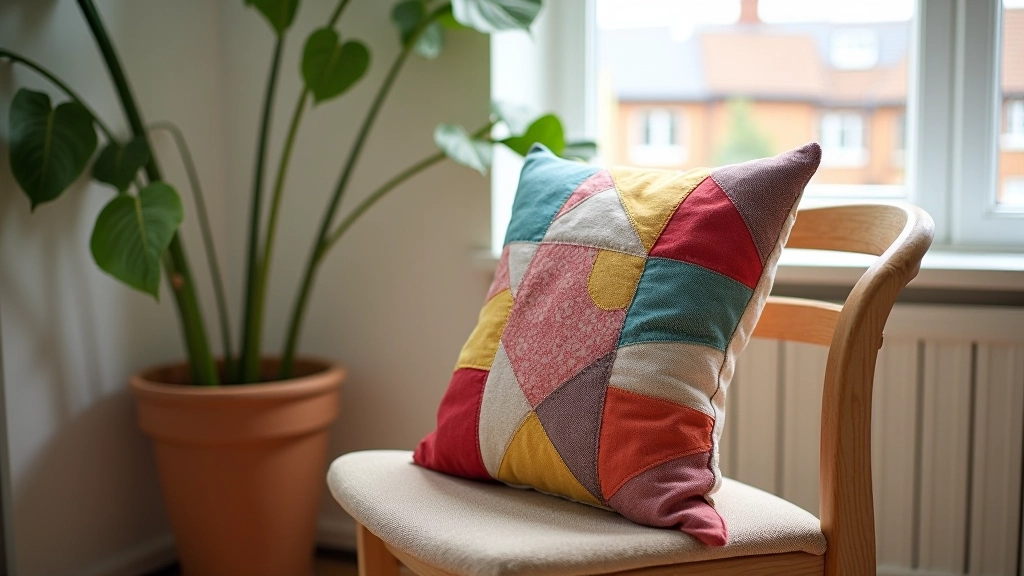
You can take this further and create a full patchwork design. Use fabric glue to attach multiple patches in a geometric pattern. It's forgiving because imperfection looks intentional. Three or four coordinating fabrics in different patches create visual interest and hide any minor mishaps.
This works particularly well on solid-coloured cushions that feel a bit plain. A cream cushion gets four patches in navy, forest green, warm terracotta, and cream stripe — suddenly it's got personality. You're not just fixing a problem; you're upgrading the entire aesthetic.
Pick the method that matches your cushions' problem. Faded and all one colour? Dye. Boring and plain? Paint or patches. Worn edges? Add trim. Want a complete cover-up? Slipcovers are your answer. Most importantly, you don't need to commit to one approach — mix them. Dye the cover, add piping, and you've got a transformed cushion for under £10.
These aren't temporary fixes either. Properly applied dye lasts through dozens of washes. Fabric glue holds through the lifetime of the cushion. Slipcovers can be updated again whenever you fancy a new colour or pattern. You're not just refreshing — you're creating something that'll serve you for years.
The real magic is realising that "tired" doesn't mean "replace." It means "reimagine." And that's where real style happens.
This article is provided for informational and educational purposes only. The techniques described are intended as general guidance based on common crafting practices. Results may vary depending on your specific cushion materials, fabric composition, and application methods. Always test any dyes, paints, or adhesives on a small inconspicuous area first. We recommend consulting fabric care labels and manufacturer instructions before undertaking any cushion refresh project. Neither the author nor the publisher is responsible for any damage to furnishings or injuries resulting from following these instructions.